











In high school, the question that students are constantly asked is, “What’s next?” College, career, extracurricular activities, leadership roles, hobbies, hobbies that turn into projects, the list of options is endless. While the idea of options can be an exciting thing, it can also be a daunting thing, as many students in the modern era of high school have come to realize – the idea of the “fig tree” has come to be used as a metaphor.
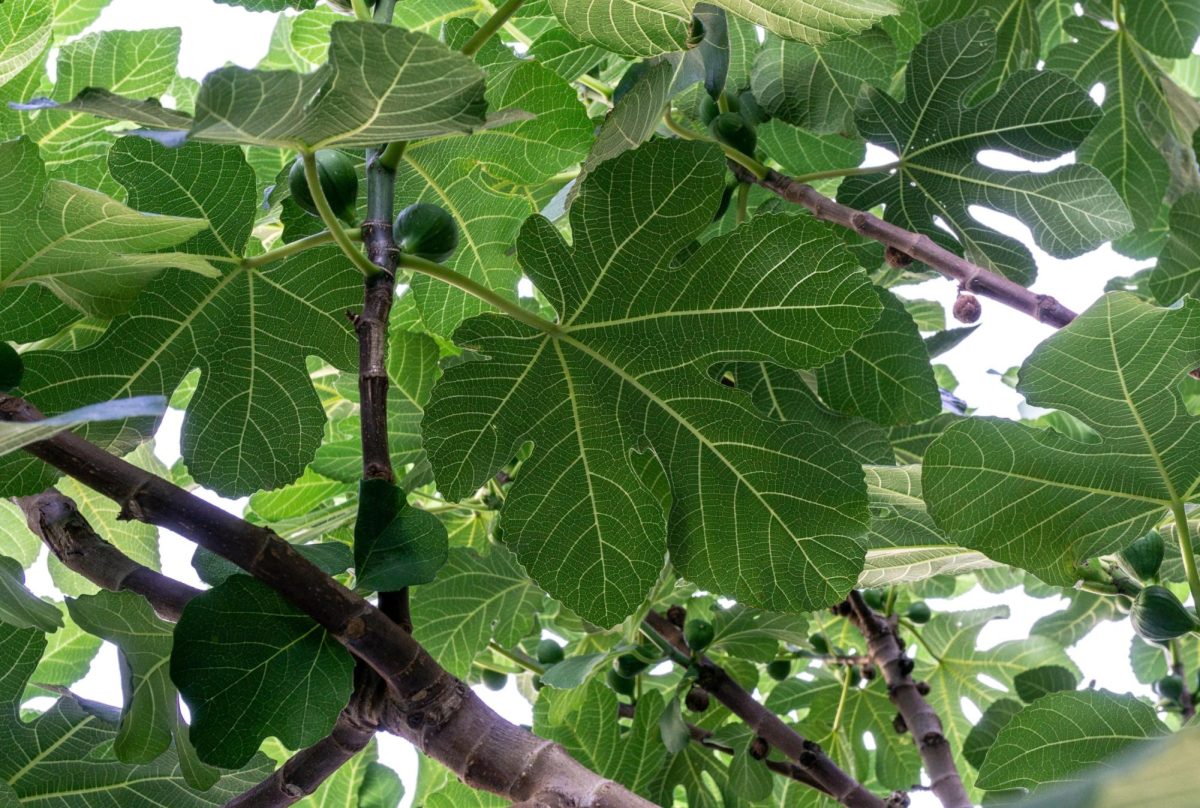
The analogy of the fig tree represents an individual sitting under a tree that is filled with figs, each representing different futures or ways of life that an individual could lead. The problem isn’t the lack of options, but sometimes they have too many; so essentially, they lose all by choosing one. Eventually hesitation leads to inaction, and the figs begin to fall and rot.
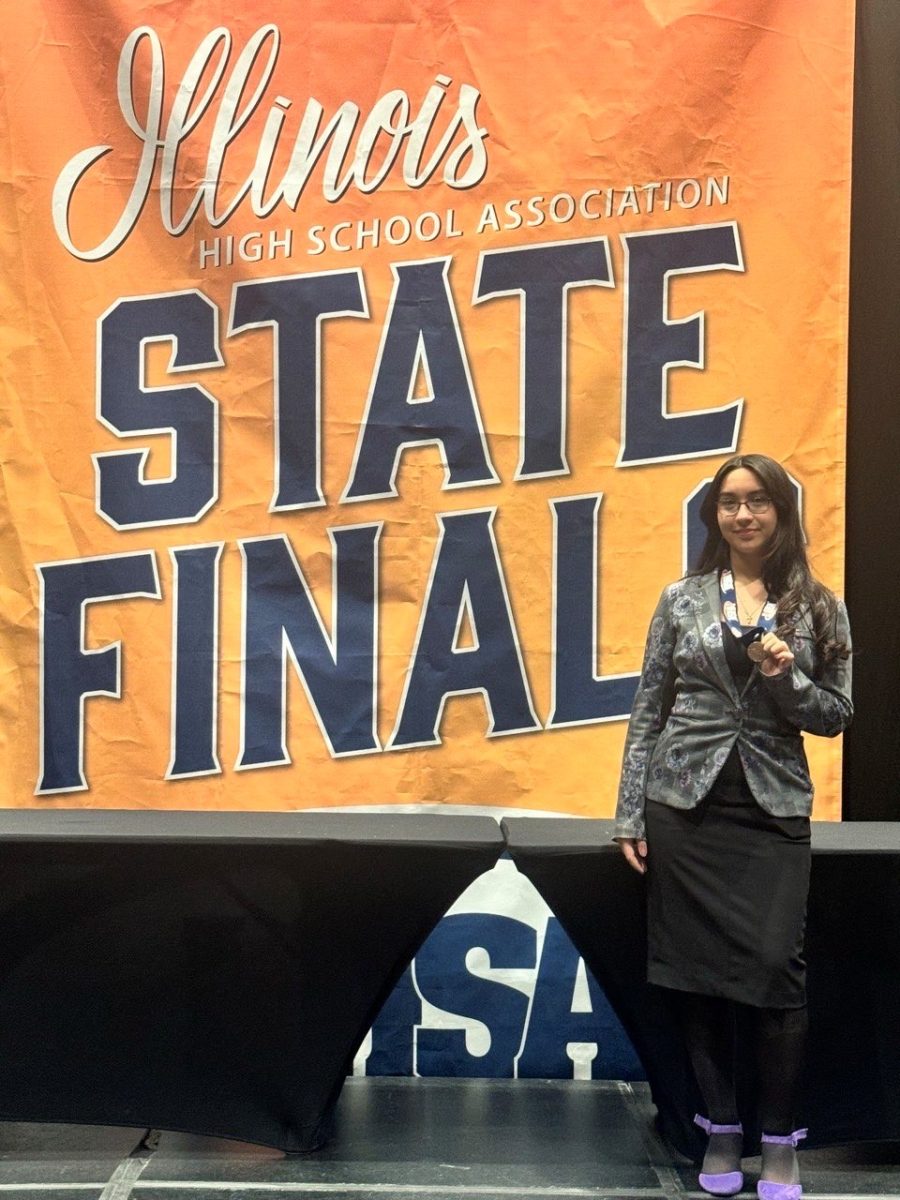
For instance, Aisha Syed, a junior, described the pressure students feel to prove their productivity to others when they see others seeming to be productive online and feel like they have “fallen behind.” She also described the unrealistic standards set by social media for teenagers to live up to, such as people showing their accomplishments and achievements without showing the struggles and difficulties they went through to get to the point they are at now.
Social media can provide teenagers with connections and inspiration and can allow them the opportunity to explore their interests and passions. It can also provide teenagers with an environment in which they feel like they cannot escape judgment. Syed expressed the feelings teenagers get when they feel like they are being judged online and explained that teenagers feel judged because “anyone can see what’s on there” whether they are posting online or not and whether they are viewing others’ posts or not.
However, despite all these issues, the internet is not entirely negative, as students may find hobbies, communities, or creativity that they may not have found otherwise on the internet. The problem is that students need to remember that the internet is not always an accurate representation of the world.
The analogy of the fig tree also has strong ties to the fear of failure, as students may become so caught up in the fear of making a wrong decision that they may become paralyzed by the fear of failure, causing them to not try new things or take any chances whatsoever. When asked about the fear of negative outcomes, Syed said, “It’s the reason why people avoid doing things because they’re so scared of the outcome, and the outcome is that they achieve nothing, therefore achieving something is better than achieving nothing at all.”
Having many options is also a privilege in and of itself. High school is a unique time in which students are encouraged to explore new things and test their goals and interests without the pressure of consequences that will stick with them forever. Making mistakes can just be a minor issue, and pursuing one option does not preclude the ability to pursue others in the future. Each experience is an opportunity to learn more about who you are and what you are good at.
The story of the fig tree is not about making the right choices, but rather about making choices at all. It is about taking action, experimenting and embracing the unknown. While students may feel the pressure to succeed at all things at once, this is not always the case in reality.
In a world that is constantly comparing and judging, perhaps one of the most valuable lessons that high school can offer is how to move forward despite the unknowns. Rather than trying to cling to all the possibilities. Maybe the key to success is to choose a path, learn from the experience, and have faith that more opportunities will present themselves along the way.